There’s something undeniably luxurious about langoustines. With their sweet, delicate flesh and vibrant orange shells, these shellfish are a staple in French coastal cuisine. When paired with cognac, they become a dish that’s both elegant and unforgettable. Whether roasted or flambéed, langoustines with cognac offer a taste of the sea, elevated by the warmth and complexity of this iconic French spirit.
Why Cognac?
Cognac is a type of brandy made from distilled wine in the Cognac region of France. It’s known for its smooth, complex flavor, with notes of fruit, oak, and spice. When used in cooking, cognac adds depth and warmth to dishes, especially seafood. For those who have never cooked with cognac, this is the perfect opportunity to learn about cognac.
For those who have never cooked with cognac, it’s important to understand that it’s not just about the alcohol. The spirit’s subtle flavors enhance the natural sweetness of langoustines, creating a dish that’s both rich and refined. Plus, the process of flambéing, setting the cognac alight, adds a dramatic flair that’s sure to impress.
What Are Langoustines?
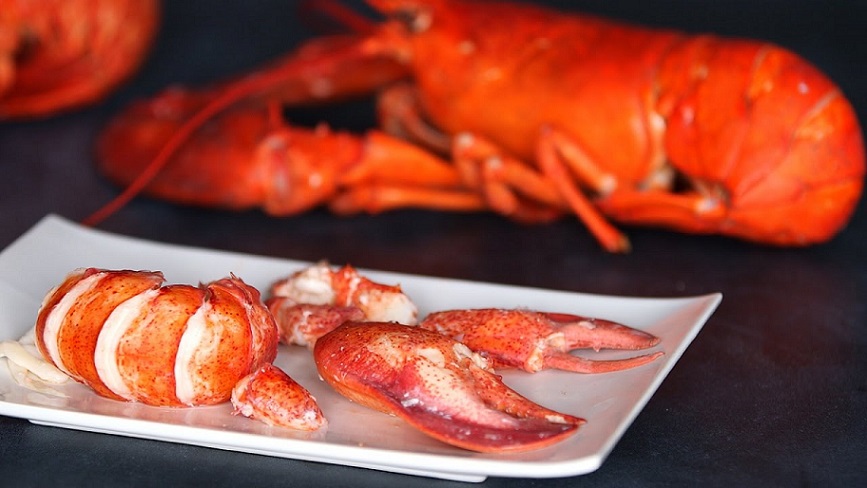
Langoustines, sometimes called “Norway lobsters” or “Dublin Bay prawns,” are smaller than lobsters but share a similar flavor profile. They’re prized for their tender, sweet meat and are often served simply to let their natural taste shine. In France, they’re a favorite at seaside restaurants and home kitchens alike.
Langoustines are typically sold whole, with their shells intact. This means they require a bit of preparation before cooking, but the effort is well worth it. The shells protect the delicate flesh during cooking, and the heads can be used to make a rich seafood stock.
Roasted Langoustines with Cognac
Roasting langoustines is a simple yet effective way to bring out their natural flavors. Here’s how to do it:
- Prepare the Langoustines: Start by cleaning the langoustines. Remove the heads and shells, leaving the tails intact. You can also butterfly the tails by making a shallow cut along the back to expose the meat.
- Season and Marinate: Place the langoustine tails in a bowl and season them with salt, pepper, and a squeeze of lemon juice. Add a splash of cognac and let them marinate for 15–20 minutes. This step infuses the meat with flavor and helps tenderize it.
- Roast: Preheat your oven to 200°C (400°F). Place the langoustine tails on a baking sheet lined with parchment paper. Drizzle them with olive oil and roast for 8–10 minutes, or until the flesh is opaque and slightly golden.
- Finish with Cognac: Remove the langoustines from the oven and drizzle them with a little more cognac. You can also flambé them at this stage for extra drama. To flambé, heat a small amount of cognac in a pan until it’s warm, then carefully ignite it with a match. Pour the flaming cognac over the langoustines and let the flames die down.
- Serve: Garnish with fresh herbs like parsley or chives and serve immediately. The langoustines are best enjoyed hot, with a side of crusty bread to soak up the juices.
Flambéed Langoustines with Cognac
Flambéing langoustines is a more dramatic way to cook them, and it’s perfect for special occasions. Here’s how to do it:
- Prepare the Langoustines: Clean and butterfly the langoustine tails as described above.
- Sauté: Heat a large skillet over medium-high heat. Add a knob of butter and a splash of olive oil. Once the butter is melted and foamy, add the langoustine tails. Sauté for 2–3 minutes on each side, until they start to turn pink.
- Add Cognac: Remove the skillet from the heat and carefully pour in a generous splash of cognac. Use a long match or lighter to ignite the cognac. Let the flames burn for a few seconds, then gently shake the pan to coat the langoustines in the flaming liquid.
- Finish and Serve: Once the flames have died down, return the skillet to the heat and cook for another minute to reduce the sauce. Season with salt, pepper, and a squeeze of lemon juice. Garnish with fresh herbs and serve immediately.
Tips for Cooking with Cognac
- Choose the Right Cognac: For cooking, you don’t need to use an expensive, aged cognac. A good-quality VS (Very Special) cognac is perfectly suitable for most recipes.
- Don’t Overdo It: Cognac is a strong spirit, so use it sparingly. A little goes a long way in enhancing the flavor of seafood.
- Safety First: When flambéing, always remove the pan from the heat before adding the cognac. Use a long match or lighter to ignite the spirit, and keep your face and hands away from the flames.
- Experiment: Don’t be afraid to experiment with different herbs and spices. Thyme, tarragon, and garlic all pair beautifully with langoustines and cognac.
Langoustines with cognac are a dish that’s both elegant and approachable. The sweetness of the shellfish is perfectly balanced by the warmth and complexity of the cognac, creating a meal that’s sure to impress. Whether you’re roasting or flambéing, the key is to let the flavors shine through.
For those who have never cooked with cognac, this is the perfect opportunity to learn about cognac and discover its potential in the kitchen. With a little practice, you’ll be able to create dishes that are both delicious and memorable.
Langoustines roasted or flambéed with cognac are a celebration of French culinary tradition. They’re a dish that’s perfect for special occasions, but simple enough to enjoy at home. By learning about cognac and experimenting with this iconic spirit, you can elevate your cooking and create meals that are truly unforgettable. So why not give it a try? Your taste buds will thank you.