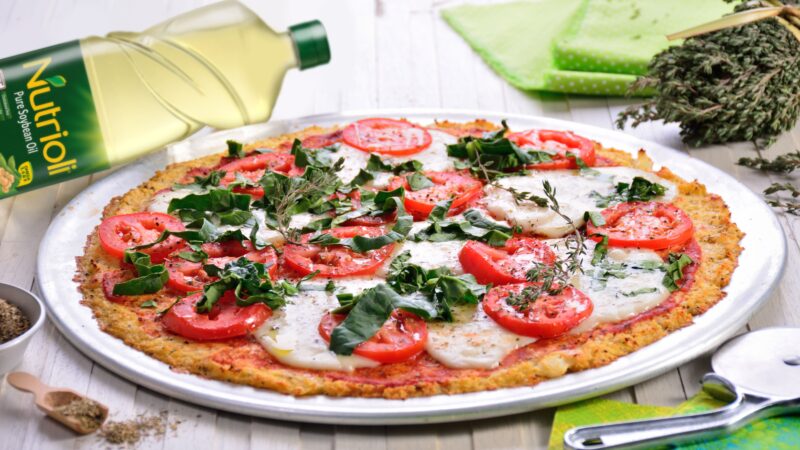
Cooking with soybean oil offers numerous advantages, including a high smoke point, health benefits, and versatility in various dishes. This article will explore why you should consider soybean oil as your go-to option for cooking oils, making for delicious and…
Sicilian fruit juice is a refreshing and delicious way to quench your thirst during the hot summer. Made from an assortment of fruits grown in the fertile soil of Sicily, this juice offers a unique flavor you won’t find anywhere…

Wine is certainly a subjective taste, especially when it comes to serving it with food. However, there are unwritten rules which one can follow, if they want to play it safe, when guests are coming for dinner. In the article…
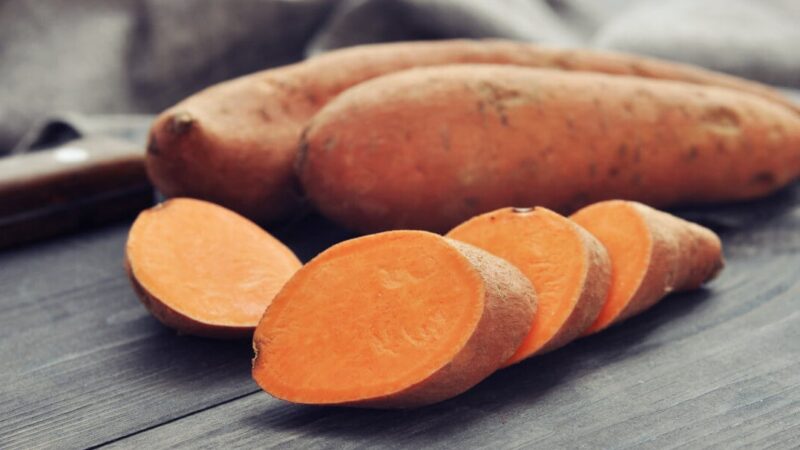
You are hungry, but you don’t have much time to cook? Or perhaps you’re just lazy to prepare the dinner and wash the dishes afterward, which quite frankly, is very normal. We all have those days when we would just…

Tequila is probably one of the most praised spirits in the world. Whether it be for a party, or simply to relax at a table with some friends and a classic margarita, you can’t deny the important place tequila has…
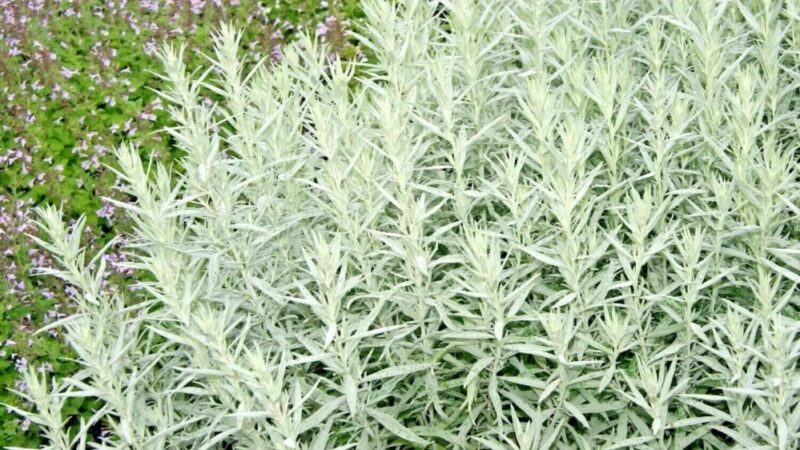
The pharma industry keeps growing while we eat more and more processed food and live in highly polluted environments. That said, there is an alternative to all these pills and synthetic medicines, which are healing herbs. The estafiate has been…
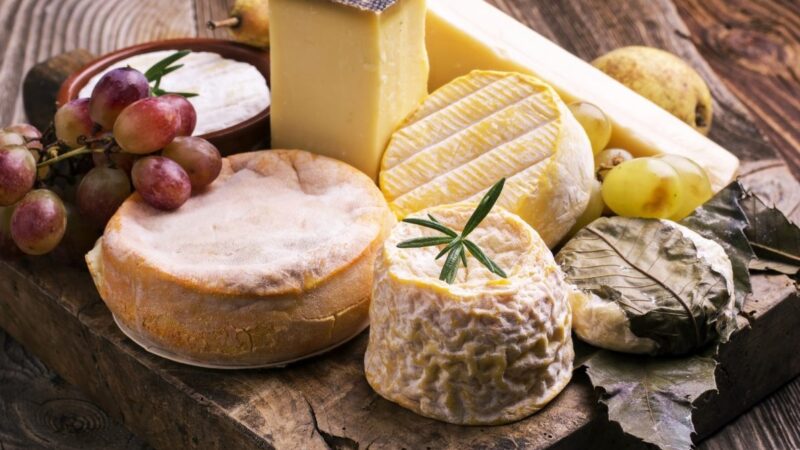
A delicious cheese platter is a very welcome, vital addition to any meal table, with especially a mild, nutty, or spicy variety being a wonderful complement. However, often not all the cheese served is eaten in its entirety, so the…
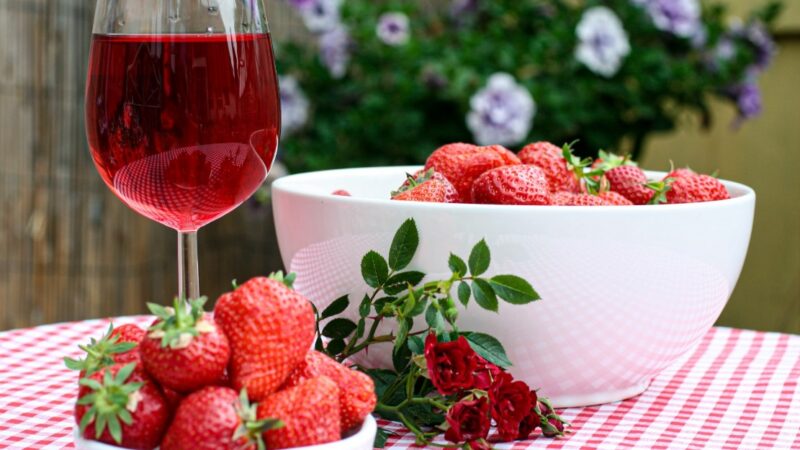
Have you ever had the chance to try a strawberry wine? If not, know that wines made with strawberries are getting very popular lately. In fact, they are so popular that we prepared this full list of our favorite strawberry…
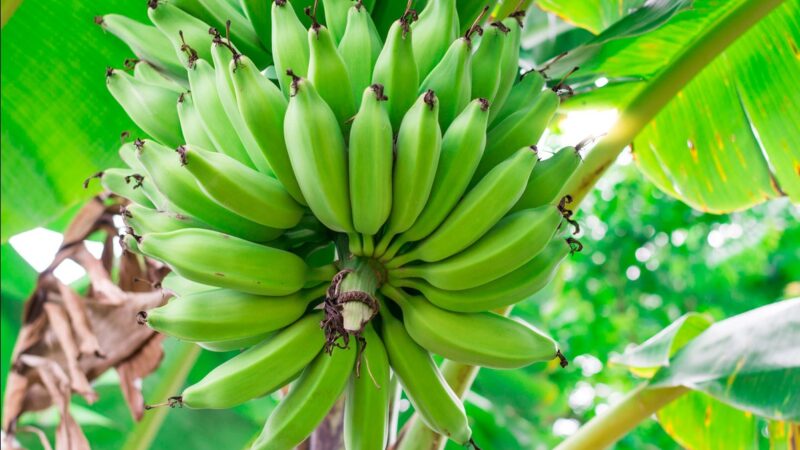
Bananas are awesome because you can eat them with almost everything; cereals, crepes, ice cream, smoothies, etc. But what’s even better, is that it may be the answer to your food cravings to the eternal ‘what should I eat this…
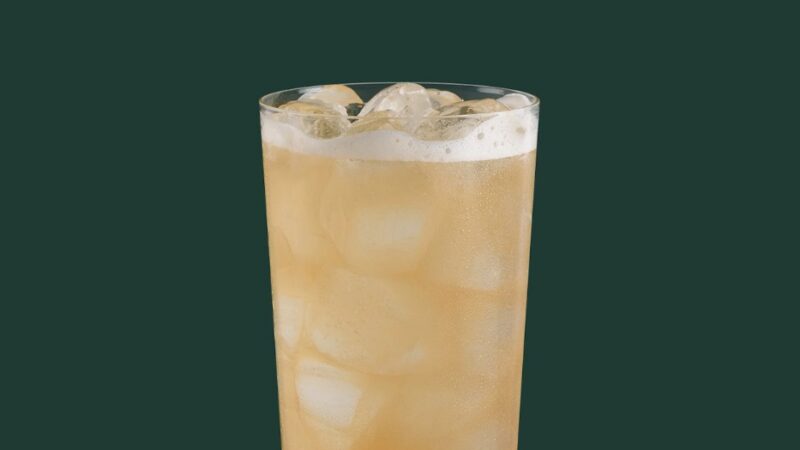
Starbucks has been a popular and well-known coffee shop in many countries. The latter has more than 30,000 branches around the world. Even though the drinks might be a bit pricey when compared with other coffee shops, their customers stay…
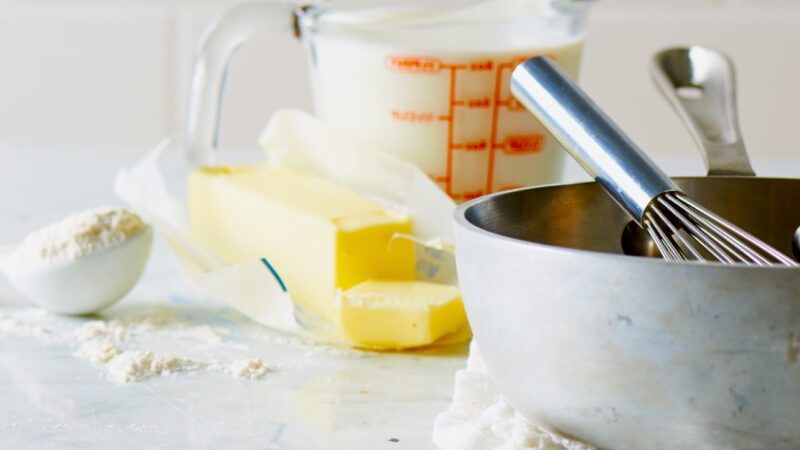
Proper measuring is essential in creating delicious food. And while food can still taste good even if you use too much or too little of an ingredient, baked food can’t, at least most of the time. Baking is a science…
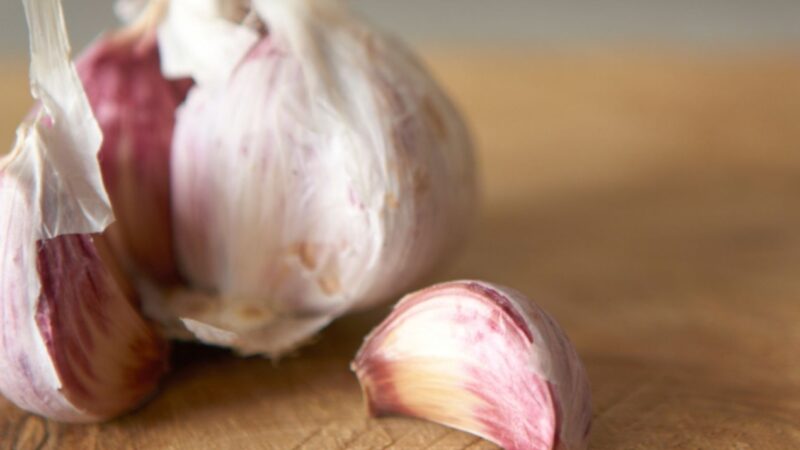
Garlic is one of the most frequently used ingredients in the world. Numerous recipes require garlic, and it can be used for medicinal purposes too. Many people from Central Asia have long claimed that garlic has been cultivated in the…

Summer calls for more refreshing wines. Some people like to drink them extremely cold, others closer to room temperature. In America, it is not unusual to even see wine glasses filled with ice cubes. But no matter what your choice…
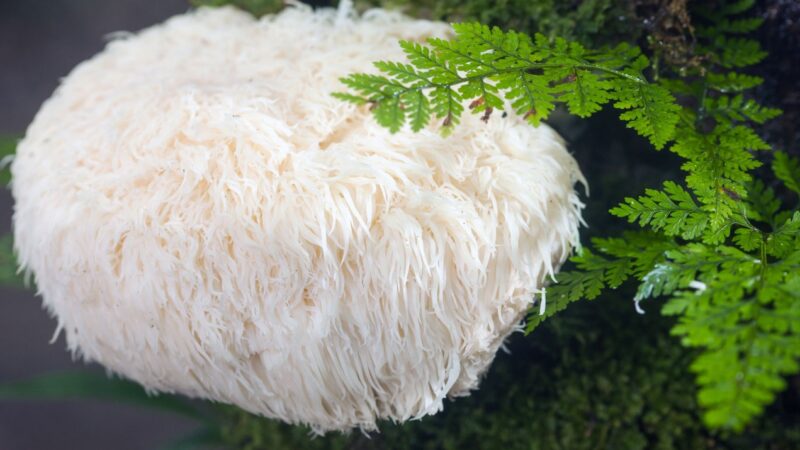
Many of you may love eating mushrooms. There are a variety of mushrooms that contain amazing benefits for your health. But have you ever tried to eat a Lion’s Mane mushroom? Let’s find out where it comes from and how…
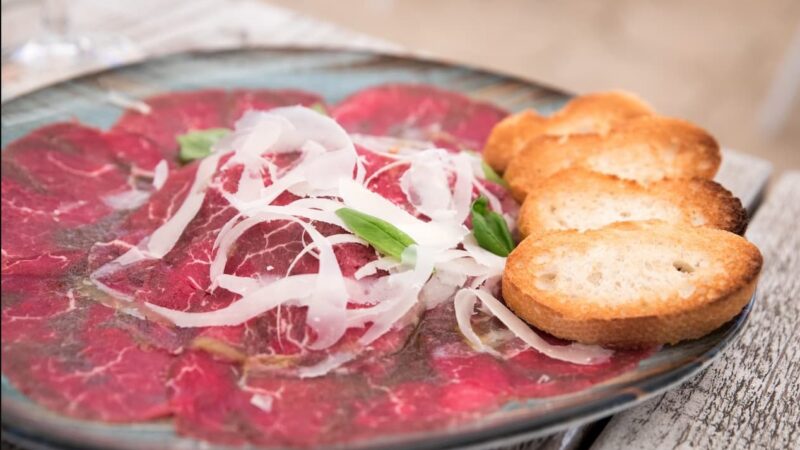
Italy is considered one of the richest countries in the world in terms of culture and history. Italian culture is greatly rooted in music, art, architecture, and most importantly, food. Italian cuisine is indeed no exception, as it has become…
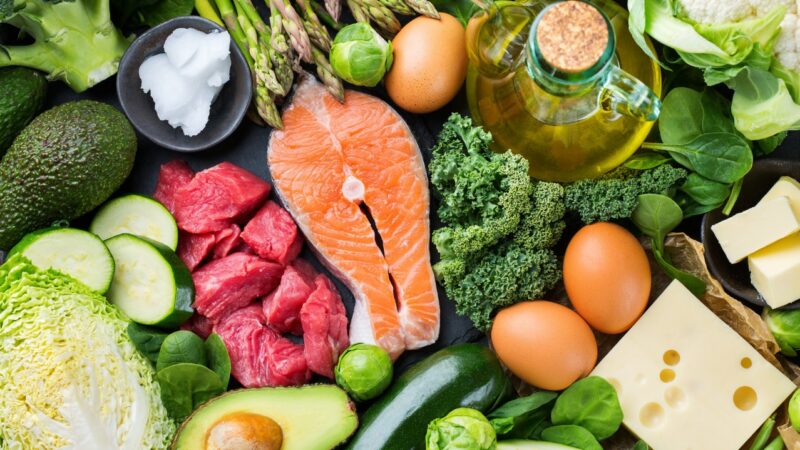
“You are what you eat”, no one denies that food significantly affects our health as well as our body shape. Recently, the diet plan called “ketogenic” has become very popular because the latter is not only good for your health…

Theoretically, whisky bottles are able to last almost indefinitely. Although, the correct shelf life of any bottle is dependent on how well the bottle has been stored. This is mainly influenced by many other factors that come into play like…
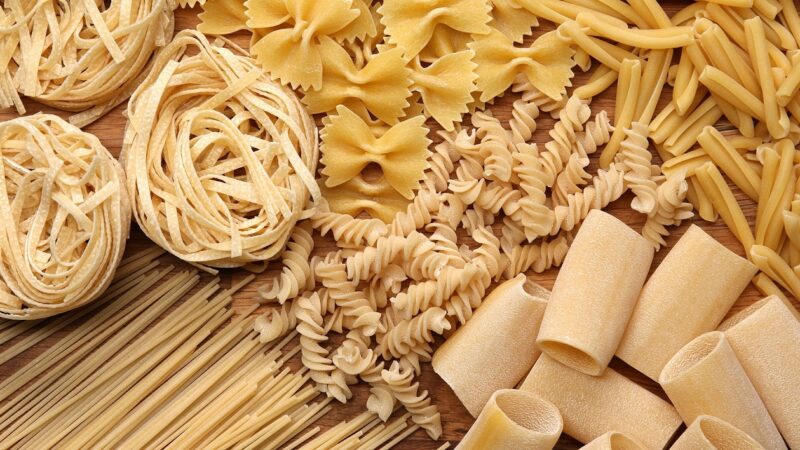
Everyone loves pasta, but when it comes to cooking, many have failed to cook pasta the right way. Have you ever wondered why your pasta dish was not on point like in the picture of your recipe book? If that’s…
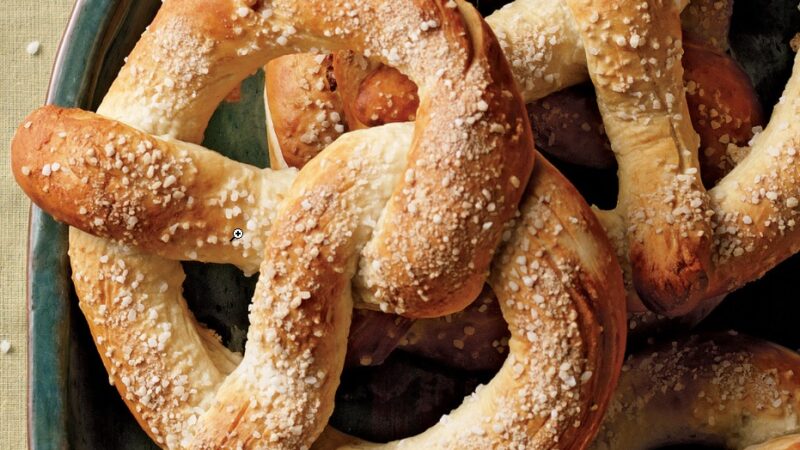
It is said that pretzels were invented by an Italian monk as a reward to children who learn their prayers. He called the strips of baked dough, “pretiola” which means “little reward” in Latin. The pretzels are folded in such…

Historically, bread has been a famous food in large parts of the world. Don’t you agree that the smell of freshly baked or baking bread is just so satisfying? It is just so nostalgic while the smell slowly fills the…

New Year is a unique moment of celebration. As we say goodbye to another year and welcome a new one, it is a great time to reflect on what we’ve accomplished and what we expect from our future. Sitting around…
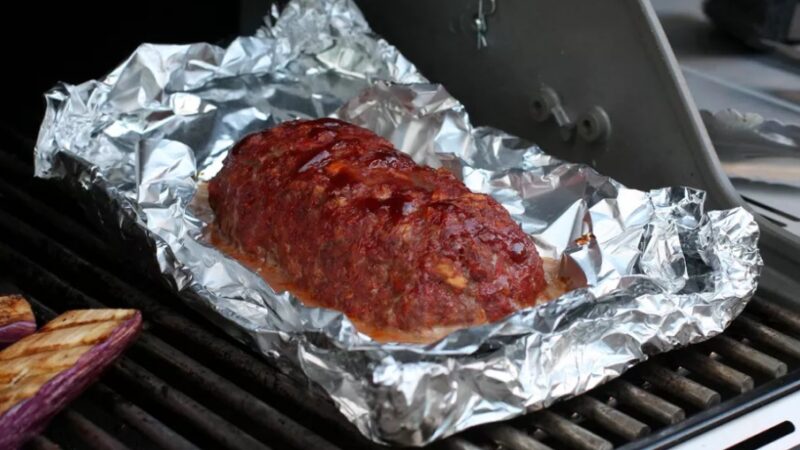
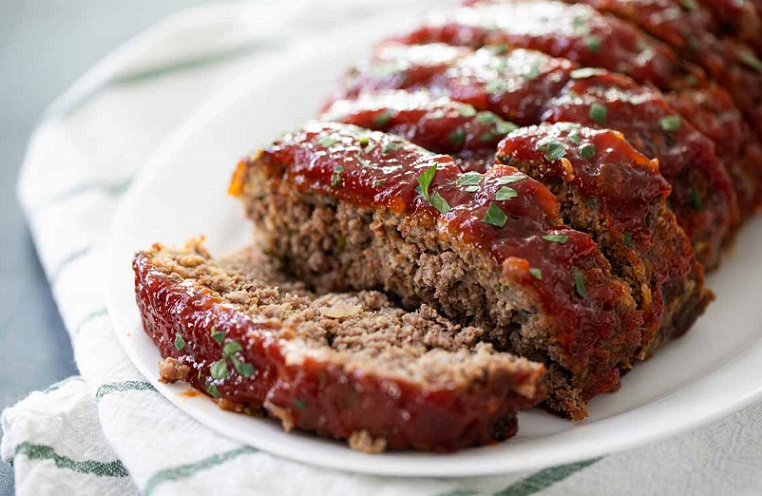
From undercooking the meat, to setting your kitchen on fire, making the perfect meat loaf can be tough at first. But with a little guidance, you can become a master at making your own meat loaf all from the comfort…

Not everyone knows that some of the largest restaurant chains also offer treats for your dogs. Many of them place water bowls in front of their business, so that dogs can quench their thirst, but some go one step further,…
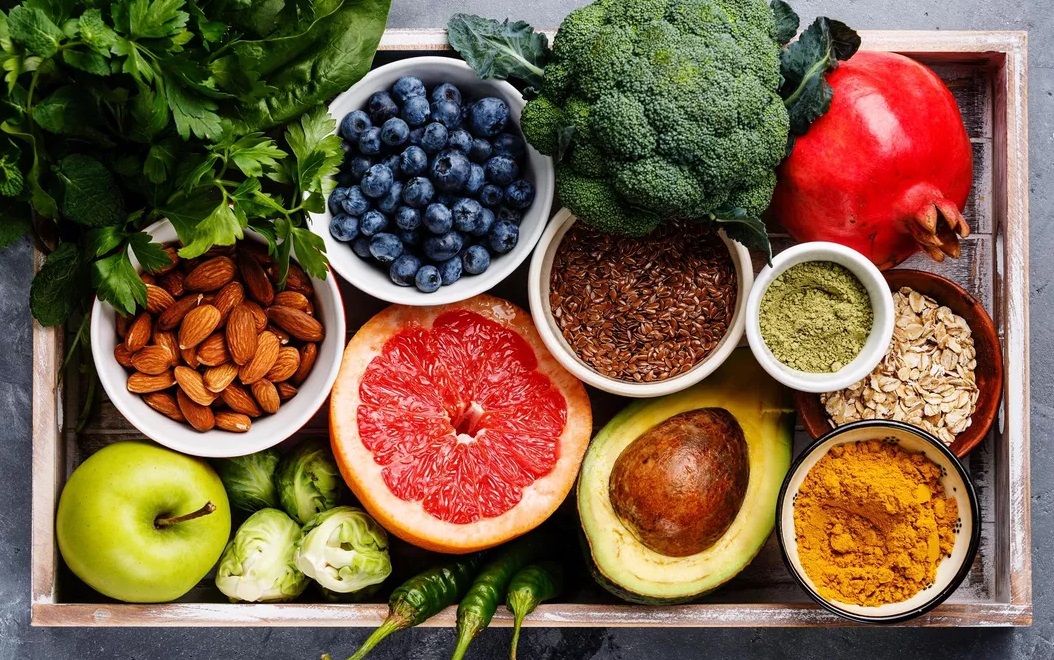
Mate, seaweed, kombucha, açai … We hear more and more about superfoods. But who are they? What are their characteristics? What properties do they present for our health? And above all, how to consume them? We tell you all about…
If you go to a restaurant and order a steak, they will ask you how you want your meat cooked. Some establishments will also do so for hamburgers. However, you’ll never hear any waiter say: “How do you want your…
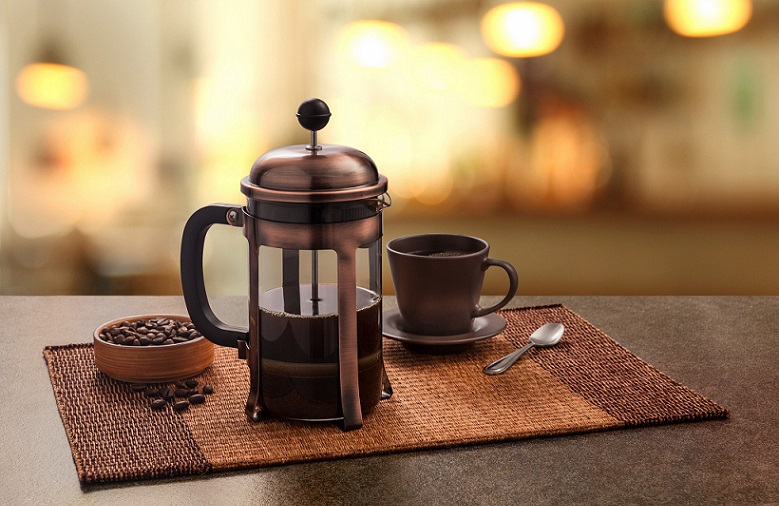
If you have had the chance of traveling around the world, and you appreciate drinking a cup of coffee, then you know that there are a large variety of ways to brew it. The taste of a coffee in Turkey,…
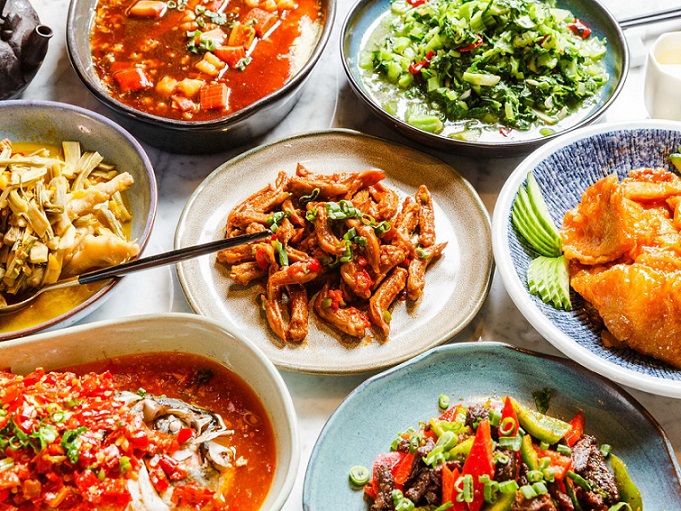
America is a land of immigrants. Therefore, there have always been many different types of cuisine to try. But with travelling getting easier a few years back and a generation that is not afraid to try new things (Millenials), suddenly…
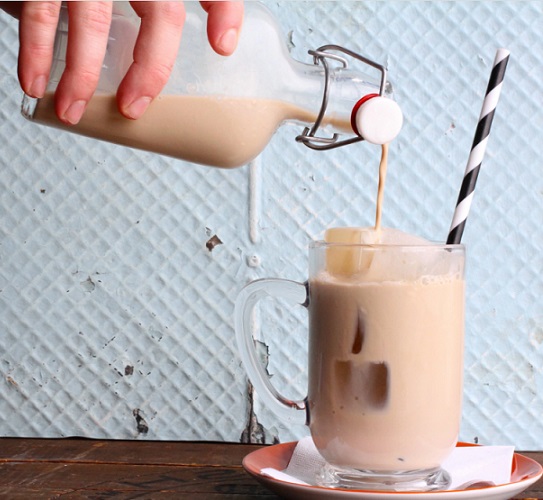
When you think of Jamaica, you probably imagine a beautiful beach with a warm sun, where you may see yourself walking, enjoying “the good life.” But this country is also known for a variety of dishes like ackee, saltfish and…
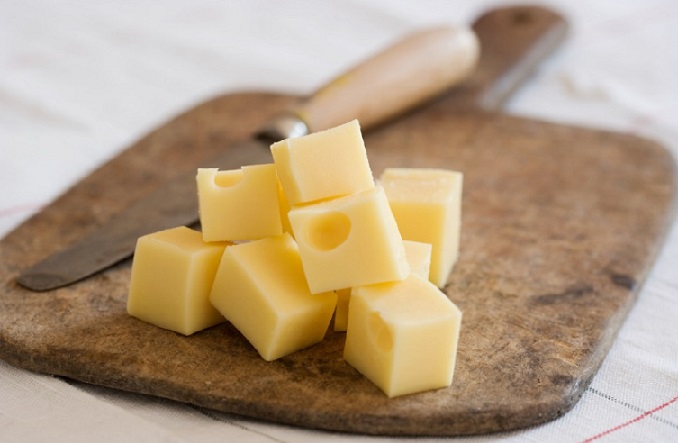
You might believe that cheese is too fat to be inserted into a healthy diet. If so, think again, as there are many cheeses that can be wise choices for snacks. Even if you are trying to lose weight, there…
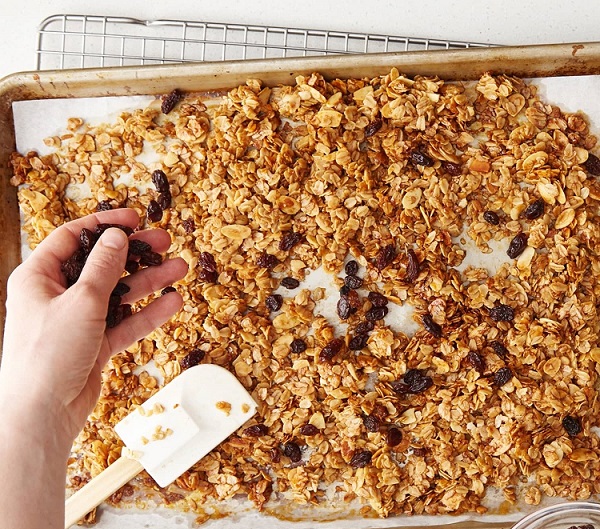
Also known as tea time in the UK, or “4-heures” in France, snack time is associated to a moment of relaxation. They are minutes that we spend time away from whatever we are doing, in order to gain back some…
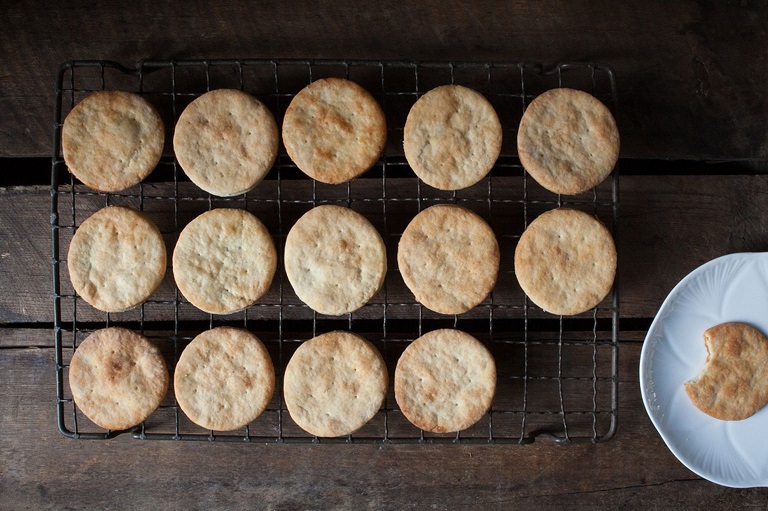
If you haven’t eaten Rich Tea biscuits yet, it is probably because you never visited the UK, Ireland or the Isle of Man, where they are a tradition. Below, you will find a little history about Rich Tea biscuits, explaining…
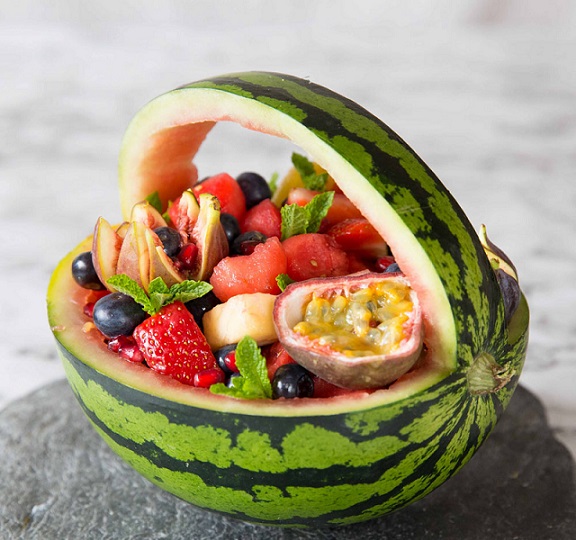
Whether you can actually have it on a beach or simply by a pool, a beach party is always a great idea. Even in the middle of winter, as snow is filling up the streets. You can ask everyone to…
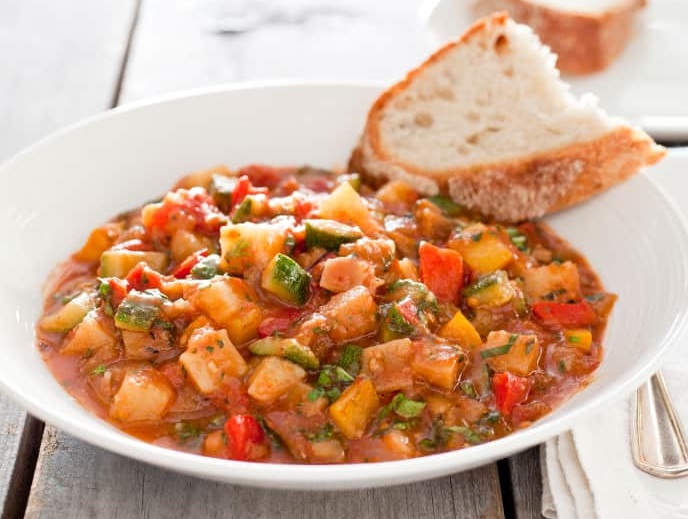
If you have traveled the world, you surely noticed that anywhere you go you find Italian restaurants in large numbers. In fact, it is the only cuisine you are almost to find in any country you travel to. That and…
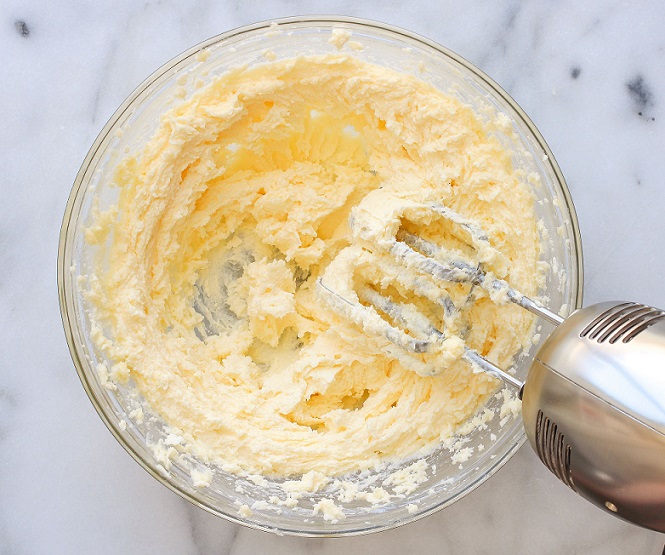
Creaming is a special method to make cookies, cakes and quick breads. It is more complex than just combining ingredients together and it needs to be done the right way, in order to get the results you were looking for,…
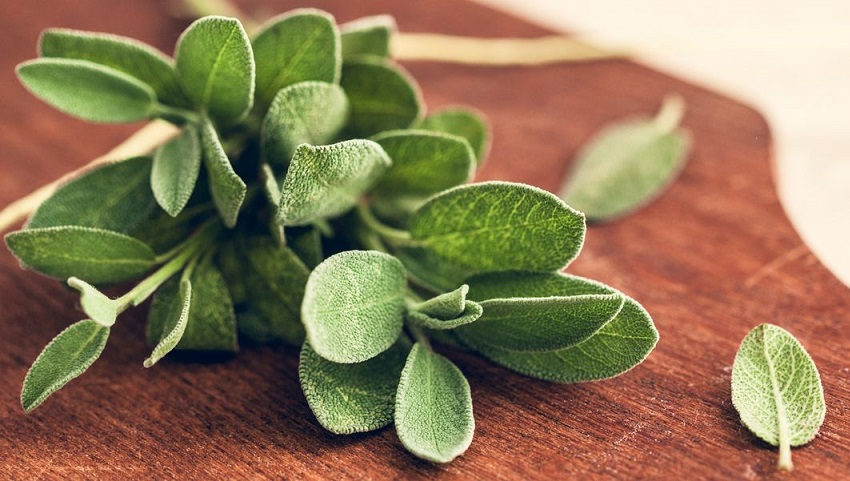
Sage can be used dried or fresh. In fact, it is one of the herbs that dry best, keeping most of its flavour. According to the meal you are cooking, it will be better to use it in one form…
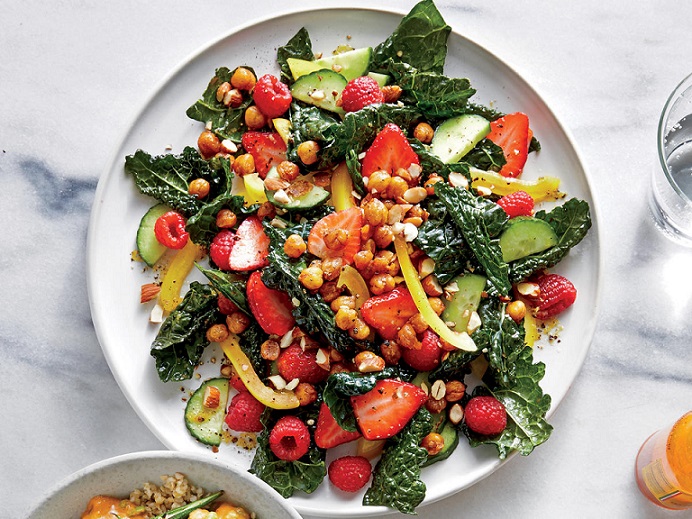
It is a well-known fact that the Mediterranean diet is one of the healthiest in the world. Sardinia is the second region worldwide, where people live the oldest (next to an island in Japan), and it is vastly due, in…
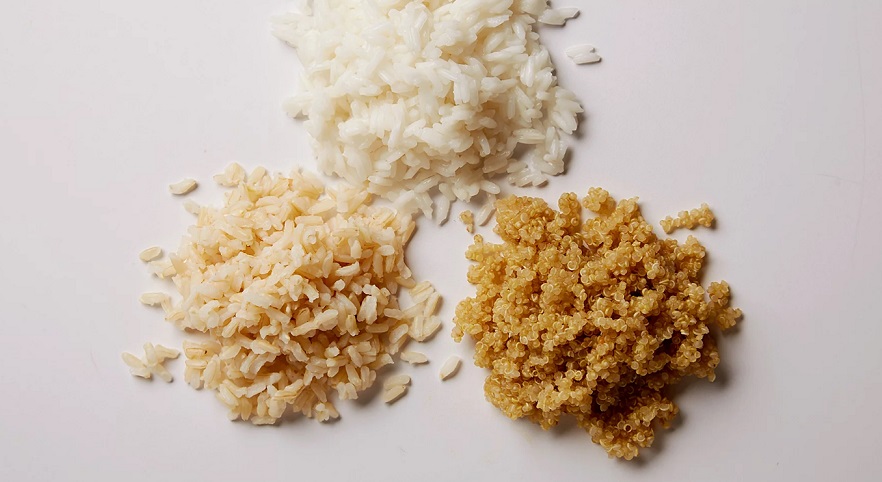
Gone are the days when you either used potatoes, pasta or rice exclusively, to complete a meal. Nowadays, you can also choose couscous or quinoa to name but a few additions to a complete lunch or dinner. That being said,…
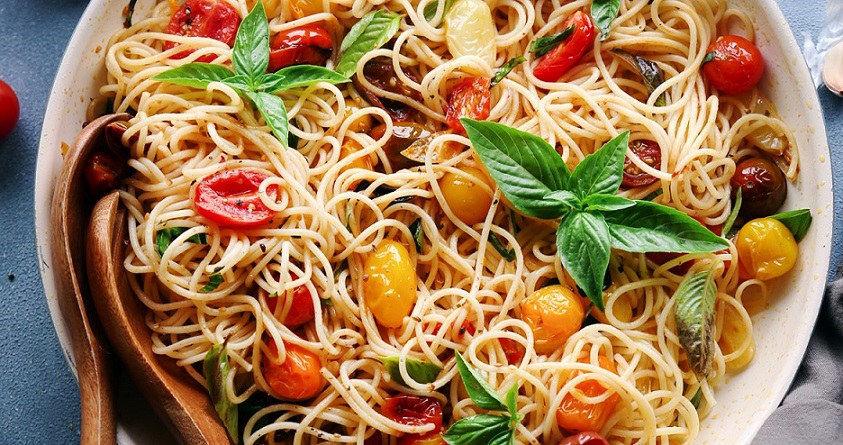
When we think of pasta, the first thing that comes to mind is Italian cuisine. We usually imagine the plate filled with white pasta covered by tomato sauce, before thinking of any other ingredients. However, pasta comes from Asia, not…
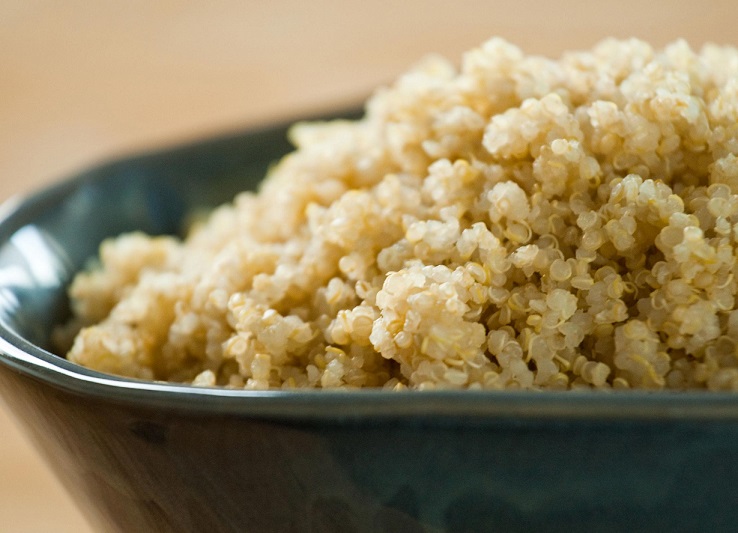
If you don’t already know it, quinoa is a whole grain seed which brings all the protein you need in a meal. It is also filled with antioxidants, numerous minerals and vitamins, to protect your health and keep you strong….
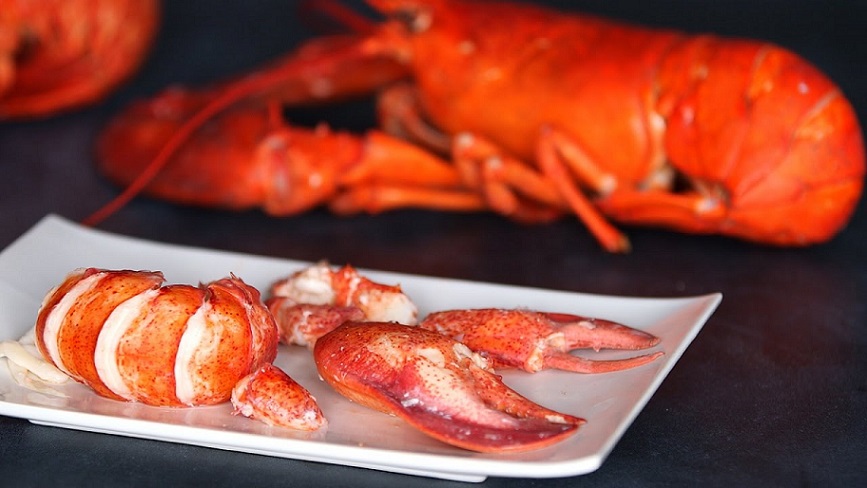
If you have ever eaten a lobster, you obviously know that the taste and texture of the claws and the tail are different. It is often a topic discussed at the table when guests come over for dinner, as different…
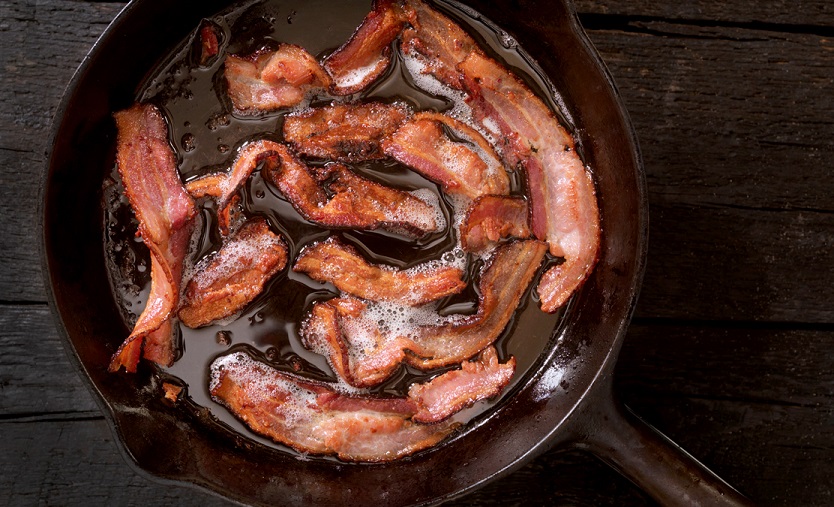
In North America, bacon is part of the way people eat, in most regions. It is like using olive oil to cook, in many parts of Europe. In a culture that enjoys eating their breakfast all day long, it is…